
The essential benefits of time pressure in narrative design
I’m currently in the last stretch of edits and layout fixes before taking Ephemeris to print next week – the time pressure of getting the book off to print has ticking clocks freshly omnipresent in my mind.
A narrative ticking clock is any event that will trigger when a certain amount of time passes and whose progression is clearly visible – we need to see and hear the clock ticking down. Ticking clocks are an excellent way to build suspense – if you know there’s a bomb underneath the table that’s going to explode in 15 minutes, that’s a huge source of tension. Whatever the specifics look like, a ticking clock is going to heighten the conflict of a narrative. The consequences of the clock running out of time ensures the narrative becomes higher-stakes, never a bad thing for making an audience or player more engaged.
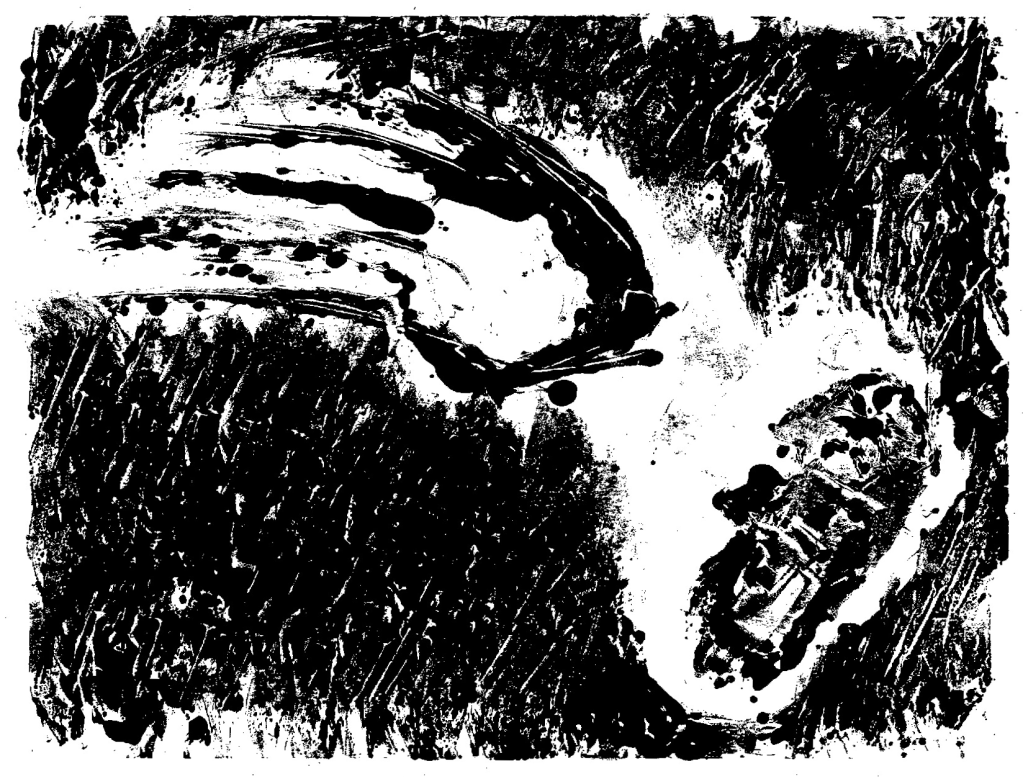
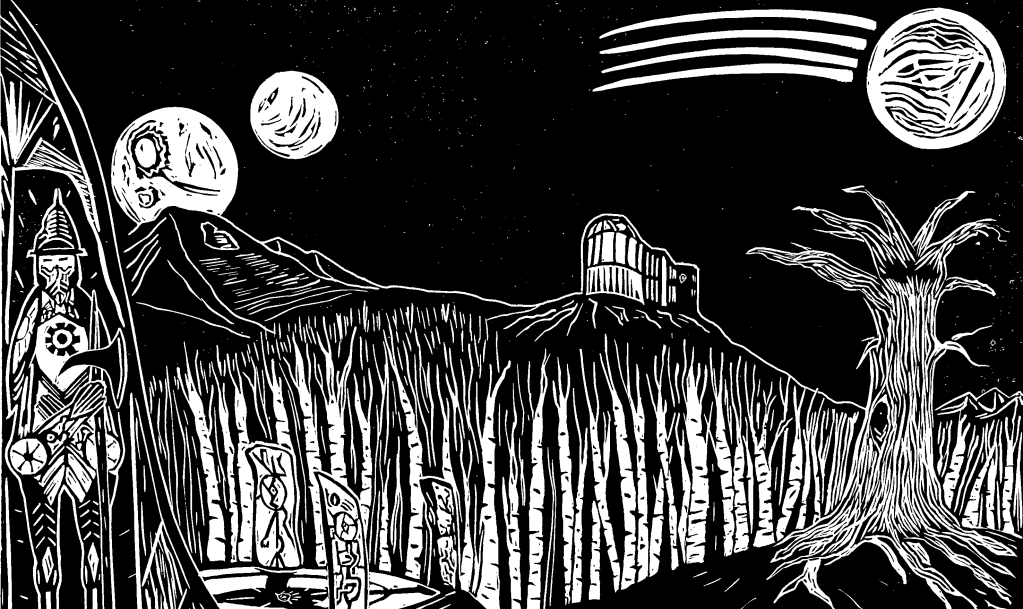
I see ticking clocks as an essential part of the RPG adventures I design, and Ephemeris has a really big ticking clock literally hanging over the players – as the adventure gets underway, the Blood Comet is falling to earth. When it makes planetfall, it will unleash all sorts of destruction and eldritch horror that will engulf the entire cosmos in bloody strife. So, really bad. We’ve got to hustle so we don’t all die.
What does the time crunch element of this threat do for the players and the GM?
For the players, it heightens the stakes of play, making their actions and potential mistakes more consequential. How carefully can they afford to search an area? Do they have time to get bogged down in a fight, even if they can win it, or do they need to cut and run?
The danger coming to you if you run out of time is a lot more dynamic than carefully deciding the right moment to cross the threshold to the boss’s lair. The players’ decisions have a real impact on how the adventure unfolds and how the ultimate threat manifests. For me, being able to see the consequences of my actions in that way is one of the main draws of RPGs, and if you fail to defuse the time bomb, you’ll have to deal with the consequences of it going off.
For the GM, a ticking clock is a good way to give an adventure momentum and keep it moving along – if the players start to get bogged down with something, the GM can organically show the clock ticking down. This can be useful for keeping players engaged and maintaining tension throughout a play session, as well as supporting the practical need of winding up the session by the time everyone agreed on before sitting down to play.
In Ephemeris, I leave it up to the GM to decide if they want the ticking clock to be vibes-based or mechanical. There’s an optional rule for a d12 visibly ticking down by 1 each time players travel to a new location or spend time investigating or fighting, or the GM can simply show the comet coming closer and closer to earth the deeper into the adventure the players get. Either way gives the players a ticking clock that is clearly visible and organic to the world of the adventure.
Ticking clocks are often a great example of what I call reactive elements, elements of the adventure a GM can use to react to the players’ actions and in turn give the players new problems they must react to. Reactive elements naturally have some complexity to them and can be difficult for a GM to manage, but a ticking clock-type reactive element is relatively simple – if the players do not come face to face with the problem, the problem comes to them. In a dungeon crawl, this is the boss coming out of its lair to attack the players wherever they’ve wound up. In a political investigative adventure like Overprint, the players might fail to uncover the conspiracy before it plays out, and will have to deal with the plot as it unfolds in real time.
An easy way to think about what this looks like in game is: what would happen if the player characters didn’t exist? This usually means the problem the players are trying to solve manifests itself in a way that is an immediate threat to them. This is not a “failure” or a game-over – it’s a new kind of problem that demands immediate action to solve. That’s always going to result in high-stakes, high-consequences play.
I write more about how I use ticking clocks and reactive elements in Retrograde’s Librarian’s Index – they’re great tools in the toolkit of both designers and gamemasters, and I use them to organically find climactic moments and center the action of play around the players’ decisions and the consequences of those decisions. I hope they help make your games more suspenseful, higher-stakes, and full of the kinds of high-impact moments that give RPGs the uniquely spontaneous storytelling power they have. Cheers!
– Zosimos
 The Library of Zosimos
Leave a comment